Humidity Control
Humidity Control for Healthier, More Stable Indoor Air
Humidity affects comfort, air chemistry, particulate behaviour, and biological growth conditions. RBM measures humidity patterns before recommending humidification or dehumidification equipment.
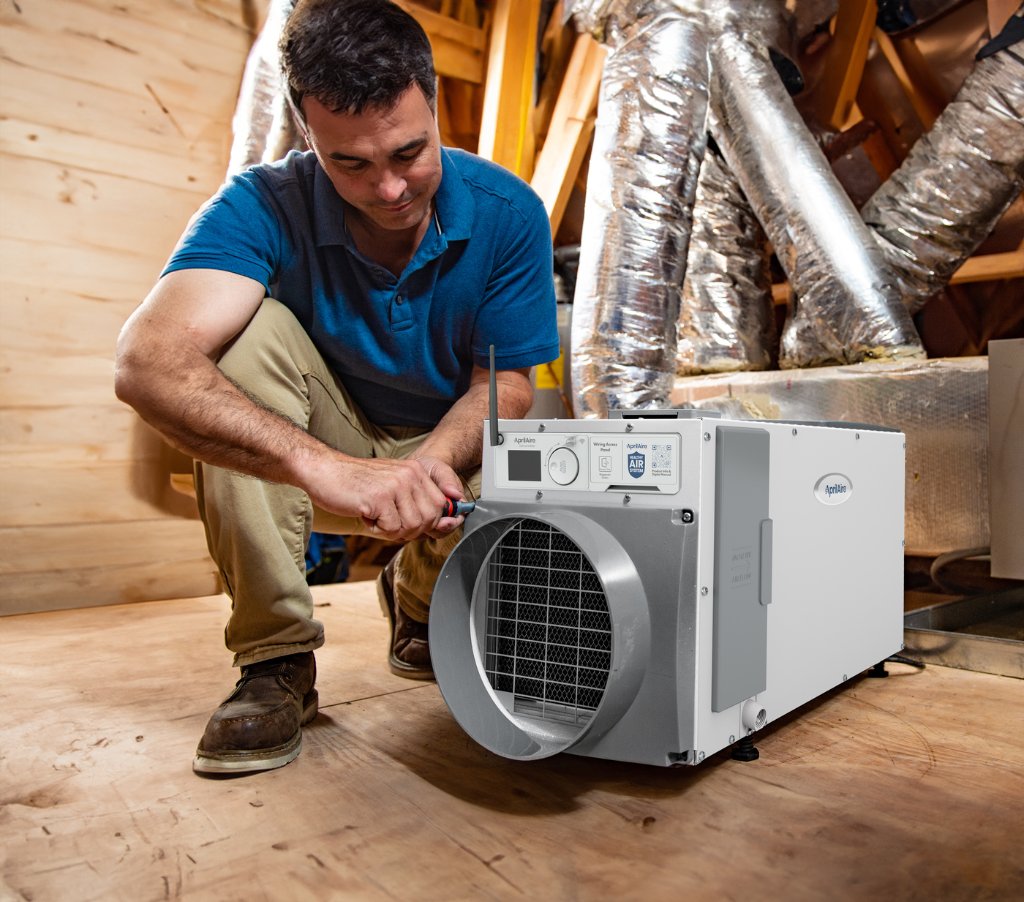
Why humidity matters
Too Dry or Too Wet — Both Affect Indoor Conditions
- Dry throat, skin, and eye irritation
- Increased static electricity
- Discomfort during colder, drier months
- Can affect wood, flooring, and furnishings
Humidification recommendations based on measured seasonal dry-air patterns.
- Condensation on windows and cold surfaces
- Conditions that can support mould growth
- Dust mite habitat conditions
- Musty odours or elevated VOC levels
Dehumidification recommendations based on measured moisture patterns and source identification.
Measure Humidity Patterns First
Humidity levels vary by season, floor level, and ventilation conditions. RBM measures actual humidity patterns in your home before recommending equipment — ensuring recommendations are based on what is present, not assumptions about what is typical.
Start with a Healthy Home Assessment
Humidity is one of the factors measured during a full home assessment.
Take the first step
Start With Data. Get Humidity Recommendations That Fit Your Home.
RBM uses professional-grade diagnostics to measure what is happening inside your home, then recommends targeted solutions based on real data.