ERV Systems & Ventilation
ERV Systems for Controlled, Filtered Fresh Air
Energy Recovery Ventilators support controlled fresh-air exchange for homes where natural ventilation is insufficient. RBM recommends ERV systems only when assessment data supports the need.
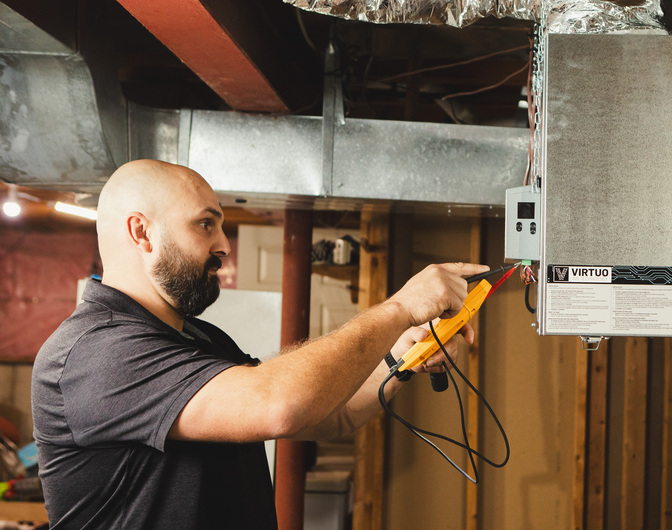
When an ERV may help
Ventilation Issues That Assessment Data Can Identify
Before recommending an ERV, RBM assesses whether ventilation is actually the root cause of the air quality issues present. Not every home needs an ERV — and installing one without proper diagnostics can create new problems while not solving the original ones.
- Elevated CO₂ levels from insufficient fresh-air exchange
- Stale or stuffy indoor air that ventilation changes have not resolved
- Airtight homes where natural infiltration is minimal
- Recently renovated or new-construction homes with sealed envelopes
- Homes with humidity or pressure instability related to air exchange
Potential benefits when indicated
Controlled fresh air brought in and filtered before entering living spaces
Stale air and elevated CO₂ removed at the same time
Heat is recovered from outgoing air, reducing energy impact
Humidity is partially transferred between air streams, reducing extreme dryness or moisture
Pressure relationships in the home can be stabilized
Diagnostics First. ERV Only If the Data Supports It.
RBM assesses your home's actual ventilation performance, CO₂ levels, pressure dynamics, and air quality before recommending an ERV system. If an ERV is not the right solution, you will be told — and directed toward what the data actually indicates.
Start with a Healthy Home Assessment
RBM measures your home before making any recommendation.
Take the first step
Find Out If an ERV System Is Right for Your Home
RBM uses professional-grade diagnostics to measure what is happening inside your home, then recommends targeted solutions based on real data.